
Provider Directory Internal Linking Map
What this page covers
Provider Directory Internal Linking Map
A provider directory internal linking map shows how approved directory pages connect to confirmed URLs, so teams avoid guessed link patterns and inconsistent targets.
For multi-location SEO architecture, the map helps compare site coverage with demand areas, guide manual fixes, and find orphaned or weakly linked pages.
In brief
- Use the map to document which provider directory page names should link to which confirmed URLs before adding internal links.
- Combine automated matching with manual review when checking coverage, especially when anchors, page names, or URL choices need confirmation.
- Use the map to find orphaned or weakly connected pages, then add contextual links only when the page and target URL are verified.
What to do
Start with a controlled internal linking map that lists each approved provider directory page name next to its confirmed URL. This keeps linking decisions tied to real entries instead of generated URL assumptions, which matters as hubs and leaf pages grow.
Next, compare the directory’s coverage with the demand areas it is meant to serve. Radar supports this by overlaying site coverage on a demand map, with automated matching and manual correction to keep review fast and accountable.
Use the map during content and architecture updates. When a mapped page name appears in relevant context, link it to the confirmed URL, avoid unnecessary repeats, and leave unmapped names as plain text until they are verified.
What to keep in mind
A linking map is only as reliable as the page list behind it. If a provider directory entry, hub, leaf page, or target URL is missing, the safer rule is not to invent the URL. Add it to the map first, then link it.
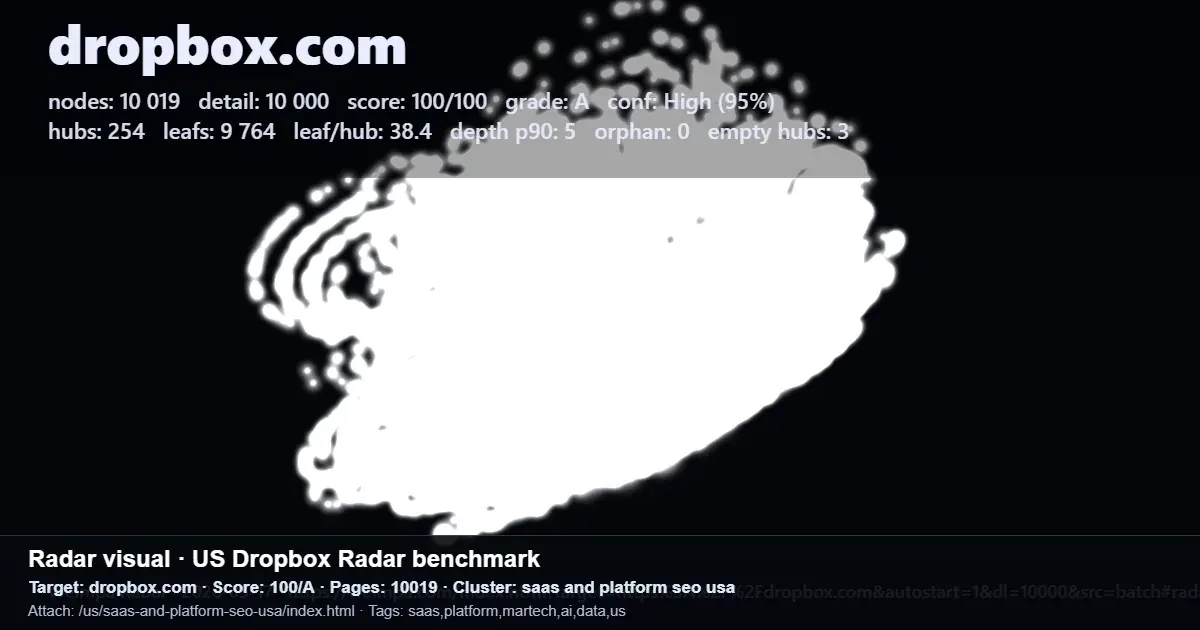
Large architecture reviews make this discipline more important. Radar benchmark examples show sites with hundreds or thousands of pages, where hubs, leaf pages, and depth reveal how discoverable the structure really is.
The map should support technical review, not replace it. Use it alongside checks for hubs, leaf pages, crawl paths, sitemap access, and orphan-page issues so the internal linking system can be audited and improved over time.